Digital tools for teachers have fundamentally changed educational practices. They enhance lesson planning and foster creativity, allowing for efficient resource management. Furthermore, these tools engage students in interactive learning experiences, promoting collaboration. However, the impact of these technologies extends beyond mere engagement. The transformation in assessment methods raises essential questions about personalized instruction and its effectiveness. What does this mean for the future of education? The implications warrant further exploration.
Enhancing Lesson Planning With Digital Tools
In the modern educational landscape, approximately 70% of teachers report that digital tools significantly enhance their lesson planning processes.
By utilizing lesson templates, educators can streamline the creation of engaging curricula while improving resource management.
These tools enable teachers to allocate time and materials more efficiently, fostering an environment where creativity flourishes and instructional freedom is prioritized, ultimately benefiting both educators and students.
Engaging Students Through Interactive Learning
The integration of digital tools not only enhances lesson planning but also plays a pivotal role in engaging students through interactive learning experiences.
By incorporating gamified learning elements, educators can motivate students to participate actively.
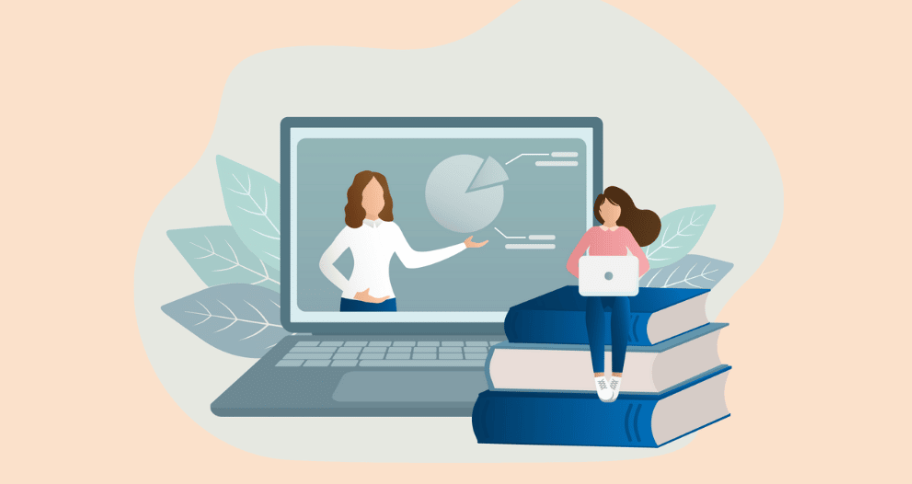
Furthermore, virtual classrooms facilitate dynamic interactions, allowing learners to collaborate and explore concepts in real-time.
Ultimately, this fosters a more stimulating educational environment that encourages creativity and critical thinking.
Streamlining Communication and Collaboration
Streamlining communication and collaboration in educational settings is essential for fostering an effective learning environment.
Utilizing digital tools within virtual classrooms enhances connectivity among students and teachers. These platforms facilitate immediate feedback loops, empowering learners to engage actively and educators to adjust instruction promptly.
Assessing Student Progress With Technology
Utilizing technology to assess student progress transforms traditional evaluation methods, offering real-time insights into learner performance.
Formative assessments powered by data analytics enable educators to identify strengths and weaknesses effectively. This innovative approach allows for tailored instruction, fostering a more personalized learning experience.
Conclusion
In conclusion, the integration of digital tools in education not only improves lesson planning and student engagement but also supports a transformative theory: that technology can enhance personalized learning. As educators harness these tools for streamlined communication and effective assessment, they create a more adaptive learning environment. This evolution challenges the traditional classroom model, suggesting that when technology is employed thoughtfully, it can bridge gaps in understanding and foster deeper connections between educators and students, ultimately enriching the learning experience.