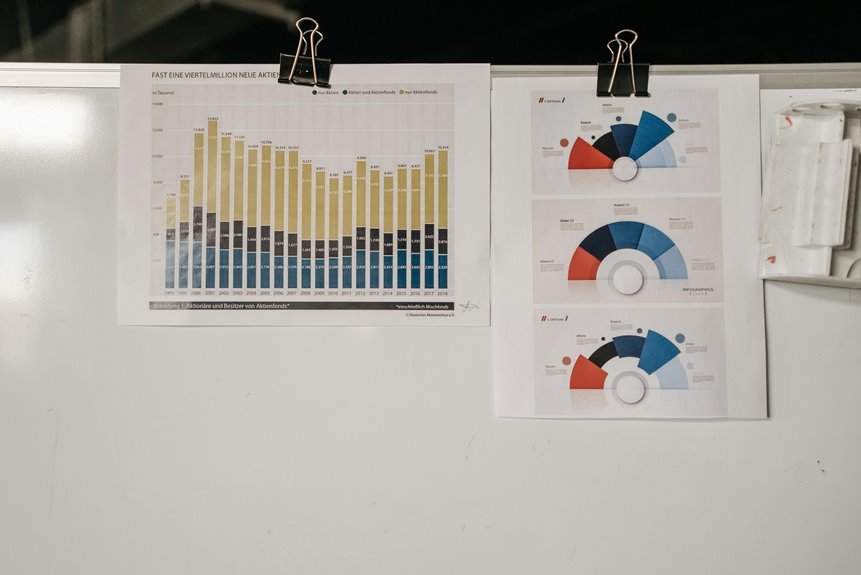
The Commercial Workflow Insight Report for the specified identifiers provides a comprehensive analysis of operational performance within the organization. It highlights key metrics and trends that reveal both efficiencies and challenges. Strategic recommendations are proposed to enhance productivity and resource management. However, the implications of these findings raise critical questions about the organization’s adaptability to market demands and stakeholder engagement. What specific strategies will be employed to address these pressing issues?
Overview of the Identifiers
In the realm of commercial workflows, a comprehensive understanding of identifiers is crucial for ensuring efficiency and accuracy.
Their identifier significance lies in facilitating data correlation across various systems, enabling seamless integration and analysis.
Key Metrics and Trends
Identifying key metrics and trends within commercial workflows provides valuable insights that drive strategic decision-making.
Key performance indicators reveal significant patterns in efficiency and productivity. Through trend analysis, organizations can pinpoint areas for improvement and adapt to market fluctuations.
This analytical approach empowers stakeholders to make informed choices, fostering an environment that values innovation and responsiveness in an ever-evolving commercial landscape.
Operational Efficiencies
While numerous factors contribute to the overall success of commercial workflows, operational efficiencies stand out as a critical element in enhancing productivity and minimizing costs.
Effective process optimization allows organizations to streamline tasks, while strategic resource allocation ensures that assets are utilized effectively.
These efficiencies not only reduce waste but also empower teams, fostering an environment where creativity and innovation can thrive.
Challenges and Recommendations
Operational efficiencies, though vital for enhancing productivity, are often impeded by a range of challenges that organizations must navigate.
Key issues include inadequate process optimization, inefficient resource allocation, and insufficient risk management.
To mitigate these challenges, fostering robust stakeholder engagement is essential, enabling collaborative problem-solving and strategic alignment, ultimately paving the way for enhanced operational performance and sustainable growth.
Conclusion
In summary, the Commercial Workflow Insight Report provides a comprehensive analysis of the operational landscape for the specified identifiers, identifying both strengths and areas for enhancement. While some may argue that the recommendations are ambitious, the actionable strategies outlined are grounded in data-driven insights and tailored to address specific challenges. Embracing these recommendations can facilitate significant improvements in productivity and adaptability, ultimately positioning the organization for sustained success in a competitive market environment.